The Startup Funding Program
We prepare founders. We certify the work. Then we bring them to investors.
Sandy is an AI — the SVBS AI Startup Funding Guide. She runs the Startup Funding Program.
What the Program Is For
Investment readiness, built and then verified.
Most startups never raise, and usually not because the idea was weak — because the startup was never investment ready, and no investor had a way to verify otherwise. This program answers both halves of that. It builds the materials an investor evaluates, marks each one against a published standard, cross-checks every figure across all of them, and makes the result visible to investors as verified work rather than as a claim.
For Entrepreneurs
A structured path to becoming an SVBS Graduated Startup, built around seven areas of focus — the required courses, AI guidance, the investor-facing artifacts, and progress investors can verify for themselves.
See the seven areas of focus →What Investors See
Graduation answers an investor's first questions before they are asked. Every graduate has met the same published standard, and with the founder's approval an investor can watch the startup's live milestones and Momentum Score before taking a meeting — and keep watching long afterward.
How the investor side works →The Program's Seven Areas of Focus
Where the program focuses
The Startup Funding Program concentrates on seven areas — the things a startup has to get right to earn investor confidence. The program builds each one, and the Milestone Progress system makes it visible. For the founder, these are the seven things to work on. For an investor, they are what a graduate has already worked through.
-
Management
A team with the skills to deliver
Investors fund teams. The required courses give the management team what running a funding round actually demands: business planning, finance and accounting, valuation, contracts, corporate structure, and the fundraising process itself — each taught as its own full course, not a survey chapter.
Investor view: every graduate is run by an SVBS Certified Tech Entrepreneur.
-
Mentoring
Guidance that does not vary with who you draw
Sherpa guides the startup across the whole journey — setting the right milestones, closing the gaps, building momentum. Prof tutors across the course catalog. Sandy critiques the artifacts and runs the Mock Investor Pitch. All three are AI. They are available at two in the morning, they remember every previous session, they carry no agenda of their own, and they apply exactly the same published standard to everyone.
Investor view: founders arrive coached, not raw.
-
Markets
Markets investors want to back
A strong product in a small or shrinking market does not get funded. Through the marketing and planning work, the founder targets markets that are large, growing, and genuinely appealing to investors — and builds the evidence, bottom-up, to prove it.
Investor view: market claims that survive scrutiny.
-
Milestones
Progress you can point to
The Milestone Progress system tracks the milestones the startup has achieved and the ones it is targeting next, from seed all the way through to exit or listing — and produces one progress report the founder and their stakeholders both read.
Investor view: a track record, not a promise of one.
-
Momentum
The number everyone watches
SVBS has done extensive work on determining and measuring momentum. The result is a single Momentum Score with a full history behind it, so the founder and every stakeholder can track the most important leading indicator a startup has. Reaching the graduation threshold is a requirement, and it does not latch — it has to be held.
Investor view: trajectory, verifiable at a glance.
-
Monitoring
Everyone sees the same picture
The founder monitors the startup through the Milestone Progress system — no gut feel, no spin, one shared view of where things actually stand. The Consistency Audit extends the same discipline to the paperwork: every figure checked against every other document, with nothing left to disagree.
Investor view: founder-approved visibility over time.
-
Methodology
A published system underneath it all
None of this is improvised. The program runs on the Sherpa Methodology developed at SVBS and published in full, so founders and investors alike can read exactly how it works before spending a dollar.
Investor view: graduation means the same thing every time.
Where This Fits
If you can get into a top accelerator, and you're happy to give up part of your company, you might want to go.
The best programs deliver things this one does not and does not pretend to: capital in the bank, a brand that opens doors on its own, a peer cohort of exceptional founders, and warm introductions to investors who take the call because of who is making it. SVBS does not invest, does not provide capital, and is not an accelerator. What this program delivers is structured funding preparation for any startup, anywhere, self-paced, on a monthly subscription and with no equity — which works alongside an accelerator as readily as without one.
A powerful supplement
Already in an incubator or accelerator? The program adds what most do not have: a full curriculum, always-available AI guidance, artifacts marked against published guides, mock investor pitches, and objective tracking your existing mentors and investors can follow too.
The core of your program
Run an incubator or accelerator? Build your cohort on this program. The curriculum, the published standard, and the Milestone Progress system give every startup you back a shared framework — and give you one view across the whole portfolio.
A path of your own
Ready in March, and your target program opens in September? Not relocating? Not giving up a share of the startup at the earliest and cheapest moment in its life? There is no application here and no quota.
The Mechanics
How the program works, start to graduation
Enrolling requires an active Business School Enrollment and an active Milestone Progress Enrollment for the startup you are entering. It does not require the certificate: certification is a graduation requirement, not an entry requirement, so artifact work can begin on day one with no course yet completed.
-
1
Set your startup up
Add your startup under the My Startups tab and log where you actually stand. Sherpa reads your milestones and your Momentum Score, then maps the gap between where the startup is and where an investor needs it to be. A founder running two startups runs them separately — the record belongs to the startup, not the person.
-
2
Build the artifacts investors read
Each investor-facing artifact comes with a template, a worked example, and its full marking guide, published before you start. Sandy critiques what you submit and grades it against that guide, with the Gradeometer showing where you stand as the critique proceeds. Revise and resubmit as many times as you need — no deadlines, no attempt limits.
-
3
Earn your certification
Pass the required courses, with a passing score and a certificate of completion in each, and you become an SVBS Certified Tech Entrepreneur — permanent, held for life, and carried with you between startups. Prof tutors you throughout. Certification is what lets your startup graduate.
-
4
Prove it all holds together
The Consistency Audit cross-references every figure across every artifact and returns a discrepancy report; you clear it by correcting or defending each one. Then the Mock Investor Pitch: you pitch, and Sandy runs live question and answer the way a partner would — including the question you were hoping to avoid. Re-pitch as many times as you need.
-
5
Graduate
Meet the published standard and your startup becomes an SVBS Graduated Startup: a graduation certificate, the SVBS Graduated Startup badge, and your video pitch published to the Graduate Pitch Panel after a person reviews it, where investors browse by sector, stage and round size.
Management — Built on Real Courses
Silicon Valley Business School Certified Tech Entrepreneur
The program is not built on a weekend webinar. It is built on the SVBS course catalog, and its certification is a defined path through it: a named set of required courses, each passed with a score and a certificate of completion, each written for the tech sector so nothing has to be translated. Where a general business program offers one survey course in business law, SVBS teaches business organizations, contracts, intellectual property, mergers and acquisitions, and securities regulation separately — because those are the subjects a founder collides with in diligence.
The certificate is user-level and permanent. It is held for life, it moves with you between startups, and it is not revoked if a subscription lapses. It is also the load-bearing claim of the whole program: every SVBS Graduated Startup is run by an SVBS Certified Tech Entrepreneur.
-
The required courses
The full list of courses required for the certificate, with what each one is for.
→ -
The course catalog
Every course, self-paced and tutored by Prof — all carried by Business School Enrollment.
→ -
The Knowledgebase
Curated resources, templates and reference material, cross-referenced by topic.
→
The Standard, In Public
What it takes to graduate
The standard is published in full before anyone enrolls, and it is the same standard investors read. Nothing in the grading is a surprise, and there is no discretionary judgment behind a closed door.
A startup becomes an SVBS Graduated Startup when all of the following hold
- The founder is an SVBS Certified Tech Entrepreneur — the required courses passed, certificate earned in each.
- The program's course material completed.
- Required milestones achieved in the Milestone Progress system.
- Momentum Score at or above the graduation threshold, sustained. Threshold: 45. Freshness: the most recent founder-submitted momentum update must be no more than 60 days old.
- Every artifact assignment passed against its published marking guide.
- Consistency Audit clear — zero unresolved discrepancies.
- Mock Investor Pitch passed, with live Q&A.
A graduating startup receives a graduation certificate, the SVBS Graduated Startup badge, and publication of its video pitch to the Graduate Pitch Panel. Founders may revise and resubmit as many times as they need — no deadlines, no attempt limits. The standard is fixed; the number of attempts at it is not.
What's Included
Three enrollments, and what each one carries
A founder taking one startup through the Startup Funding Program holds all three. They are billed together, and none of them takes any equity.
Business School Enrollment
Per person. One enrollment covers you no matter how many startups you run.
- The course catalog — every course, self-paced, written for the tech sector
- The Knowledgebase — curated resources, templates and reference material, cross-referenced by topic
- Prof, your AI tutor, across every course
- The SVBS Certified Tech Entrepreneur certificate program — permanent once earned
Milestone Progress Enrollment
Per startup. A founder running two startups carries two.
- Sherpa, your AI startup guide, across the whole journey — seed, early, expansion, and on to exit or listing
- Milestones and the Momentum Score for that startup, with its full history
- Stakeholder access to grant — free, and only to the investors, advisors and board members you choose to give it to
Startup Funding Program Enrollment
Per startup. Requires the two above.
- The program units, templates and worked examples for every investor-facing artifact
- Marking guides published before you submit — and unlimited resubmission against them
- Sandy's critique and grading, with the Gradeometer showing where you stand
- The Consistency Audit — every figure checked against every other document
- The Mock Investor Pitch, with live question and answer, re-pitched as many times as you need
- On graduation, the Graduate Pitch Panel, the SVBS Startup Investor Network and VR Conference Center events
Momentum
The number everyone watches
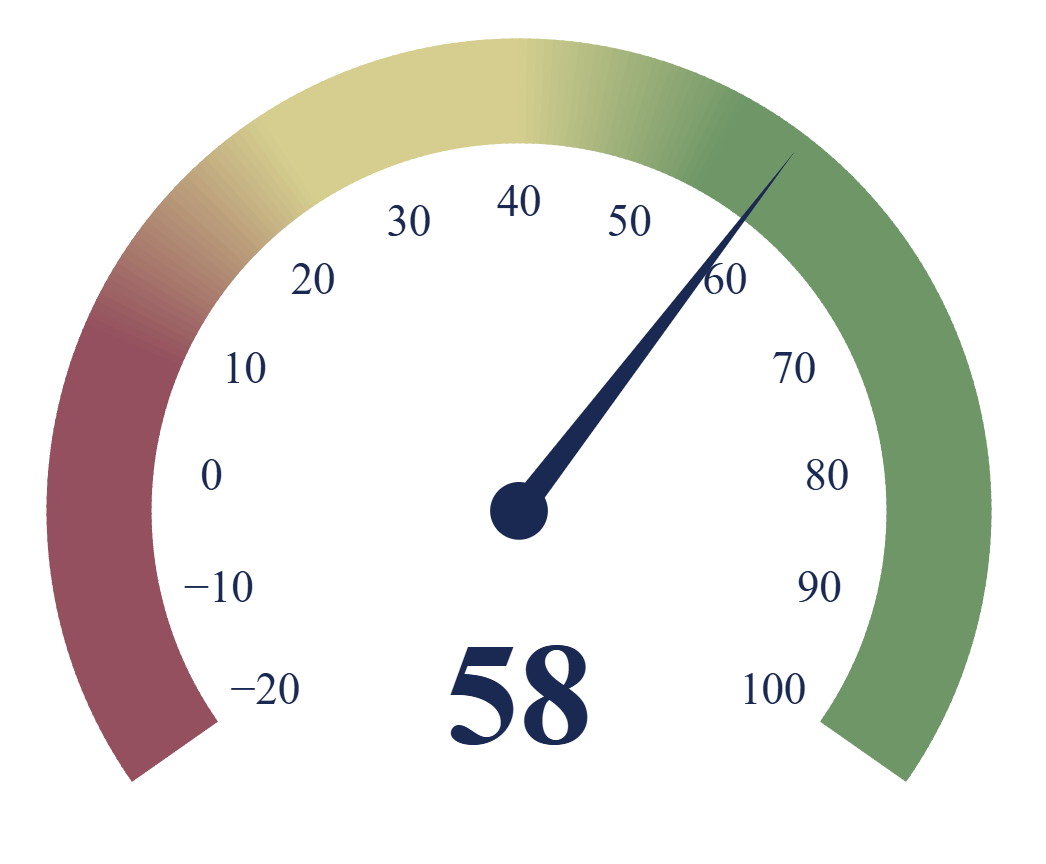
Momentum — the pace at which a startup is actually advancing — is the strongest leading indicator a startup has, and SVBS has done extensive work on how to determine and measure it. The Milestone Progress system posts a single Momentum Score on a speedometer running from −20 to 100 MPH, with the full history behind it. Founders steer by it. Investors read it — before they engage, and for as long as they stay involved.
- Financial PerformanceRevenue, acquisition and retention, margins, cash flow
- Milestone ProgressWhat the startup has actually completed, and what is next
- Market Growth & BuzzDigital presence, community, media coverage and recognition
Graduation requires a Momentum Score of at least 45, sustained, with the most recent momentum update no more than 60 days old. It does not latch: reaching it once is not the same as holding it, and an investor looking at the dashboard can tell the difference.
How Graduates Reach Investors
Graduation puts verified work in front of investors.
When a startup graduates, its video pitch is published to the Graduate Pitch Panel, where investors browse by sector, stage and round size. Nothing leaves the program automatically — every submission is reviewed by a person before it goes live. From there, investors can request materials directly, or ask the founder for Stakeholder access to the startup's live milestones and Momentum Score, with VR Conference Center events for webinars, question-and-answer sessions and networking.
SVBS is an educational program. It prepares founders and provides a shared framework for showing progress. It does not broker securities, give investment advice, endorse any startup, or promise any outcome.
AI grades everything inside the program; a person controls everything that leaves it.
Methodology
Built on a published methodology
Behind the seven areas sits the Sherpa Methodology developed at Silicon Valley Business School — a complete system for guiding a startup from founding to a destination it chose deliberately, whether that is an IPO, an acquisition, or sustainable profitability. Different destinations need different preparation, and naming yours first is what makes every decision after it coherent. Unlike the black-box formulas of most programs, ours is published in full on this site — including how milestones and momentum are defined, tracked and scored — so founders can see exactly how they will be guided, and investors can see exactly what a graduate has been measured against, before anyone spends a dollar. It also does not stop at the funding round: the round is a waypoint, not the destination.
The Investor Side
What investors see
The investor side is built around one idea: a founder's readiness should be something an investor can check, not something they have to take on trust. Here is what investors reviewing a graduate have in front of them.
- The Graduate Pitch Panel. Video pitches from SVBS Graduated Startups, browsable by sector, stage and round size. Every startup shown has met the published standard and is run by an SVBS Certified Tech Entrepreneur.
- Readiness they can check. Every artifact marked against a guide the investor can read, and every figure cross-checked against every other document before they see any of it.
- Live progress, with the founder's approval. An investor can ask for Stakeholder access; if the founder grants it, they see the startup's live milestones and Momentum Score with its full history — free, and only ever granted by the founder, never by SVBS.
- Visibility that continues. Stakeholder access stays open for as long as the founder keeps it open and the startup stays enrolled — through diligence and beyond.
- VR Conference Center events. Webinars, question-and-answer sessions and networking, joined from any browser.
Investors join the SVBS Startup Investor Network by application, and joining is always free. The network is built so that every investor in it has enrolled specifically to see graduates of this program.
Pricing
Month to month. Zero equity.
Startup Funding Program
A monthly subscription, made up of three enrollments that are billed together. Current pricing is shown when you enroll.
- Business School Enrollmentper person
- Milestone Progress Enrollmentper startup
- Startup Funding Program Enrollmentper startup
- The course catalog, the Knowledgebase and Prof — carried by your Business School Enrollment however many startups you run
- Milestones, the Momentum Score and Sherpa for each startup — plus Stakeholder access that is yours to grant, free
- Every artifact built, critiqued by Sandy and graded against a guide published before you submit — resubmit as often as you need
- The Consistency Audit and the Mock Investor Pitch, with live question and answer
- Zero equity. Keep your company.
Questions, Answered
Frequently asked questions
Is funding guaranteed? Is a meeting with an investor?
No, and no — be wary of anyone who promises either. Graduation delivers verified readiness against a published standard, a place in the Graduate Pitch Panel, and visibility to investors who joined specifically to see graduates. SVBS does not promise a meeting, an introduction, or a raise. What happens with an investor is between you and them.
Do I need to be admitted?
No. There is no application, no admissions test, no interview, no cohort and no waiting list. The only filter anywhere in this program is the graduation standard, and it is published in full before you spend anything.
What does the program cost?
The program is a monthly subscription per startup, held alongside a Business School Enrollment (per person) and a Milestone Progress Enrollment (per startup). All three are billed together, and current pricing is shown when you enroll. No equity, at any point.
What does it take to graduate?
Seven things, all published above and all applied identically to everyone: you hold the SVBS Certified Tech Entrepreneur certificate; the program's course material is complete; the required milestones are achieved; your Momentum Score is at or above 45 and sustained, with an update no more than 60 days old; every artifact has passed against its published marking guide; the Consistency Audit is clear; and the Mock Investor Pitch is passed with live question and answer. Meet all seven and your startup becomes an SVBS Graduated Startup.
Do I need the certificate before I enroll?
No. Certification is a graduation requirement, not an entry requirement, so artifact work can begin on day one with no course yet completed. Note the vocabulary, because it matters: people are certified, startups graduate. Your certificate is yours for life and comes with you to whatever you build next; graduation belongs to the one startup that earned it.
Who is Sandy?
Sandy is an AI — the SVBS AI Startup Funding Guide — and she runs the Startup Funding Program. She has deep knowledge of the startup funding process. She critiques the artifacts you submit and grades them against the same published marking guides you read before submitting, and she runs the Mock Investor Pitch — silent while you pitch, then driving the question and answer the way a partner would. Sherpa guides your milestones and momentum, and Prof tutors the courses. All three are AI, and none of them has a bad day or plays favorites.
Is this an accredited degree?
SVBS is not an accredited institution and does not grant degrees. It runs certificate programs — for people who complete a defined program of courses, and for startups that meet the published graduation standard. What those certify is that specific, published work has been completed to a published standard. That is the credential investors in our network use, and it is a different thing from a degree. A degree's value comes from an institution vouching for a person in general; ours comes from a standard anyone can read, applied to work anyone can inspect.
How is this different from an incubator or accelerator?
If you can get into a top accelerator, go — the best of them give you capital, a brand, a cohort and warm introductions, and we do none of that. What this program gives you instead is a full curriculum, guidance that does not vary with which mentor you happen to draw, artifacts marked against a published standard, mock investor pitches, and tracking that continues long past a demo day. No application, self-paced, and no equity. It also works perfectly well alongside an accelerator, and accelerator operators can build their own cohorts on it.
How long does it take?
It depends entirely on your starting point. Sherpa reads where your startup actually is and maps the gap; some are weeks away and some have real work to do. The program is self-paced with no deadlines and no attempt limits — but self-paced means flexible, not effortless.
How do investors join the network?
By application. Investors provide their contact details and evidence that they are active investors, and tell us the kind of investor they are and what they are looking for. Our staff review every application before an investor is enrolled. Joining is always free for investors, and Stakeholder access to a startup is free too — granted by the founder, never sold and never granted by SVBS.
Can my existing investors and advisors follow my progress?
Yes. Stakeholder access is part of Milestone Progress: it is yours to hand out, free, to any investor, advisor or board member you choose, and they see your milestones and Momentum Score as they update.
What happens if a subscription lapses?
Business School Enrollment is a requirement to enroll, not a condition of continued service — if it lapses, your startup-scoped enrollments keep running and keep billing, and what you lose is access to the courses and the Knowledgebase until you resubscribe. Your certificate is permanent and is not revoked. Graduate Pitch Panel listing does require the startup-scoped enrollments to stay active: on lapse, Stakeholder access ends entirely and there is no frozen view, because investors need to see live progress rather than a snapshot. Your data is retained and restored when you resubscribe.
Ready When You Are
Investment readiness isn't a feeling. It's a standard.
The standard is published, the marking guides are published, and there is no application between you and starting. Meet the standard, graduate, and put verified work in front of investors who came looking for exactly that.
Self-paced · AI guidance around the clock · Zero equity